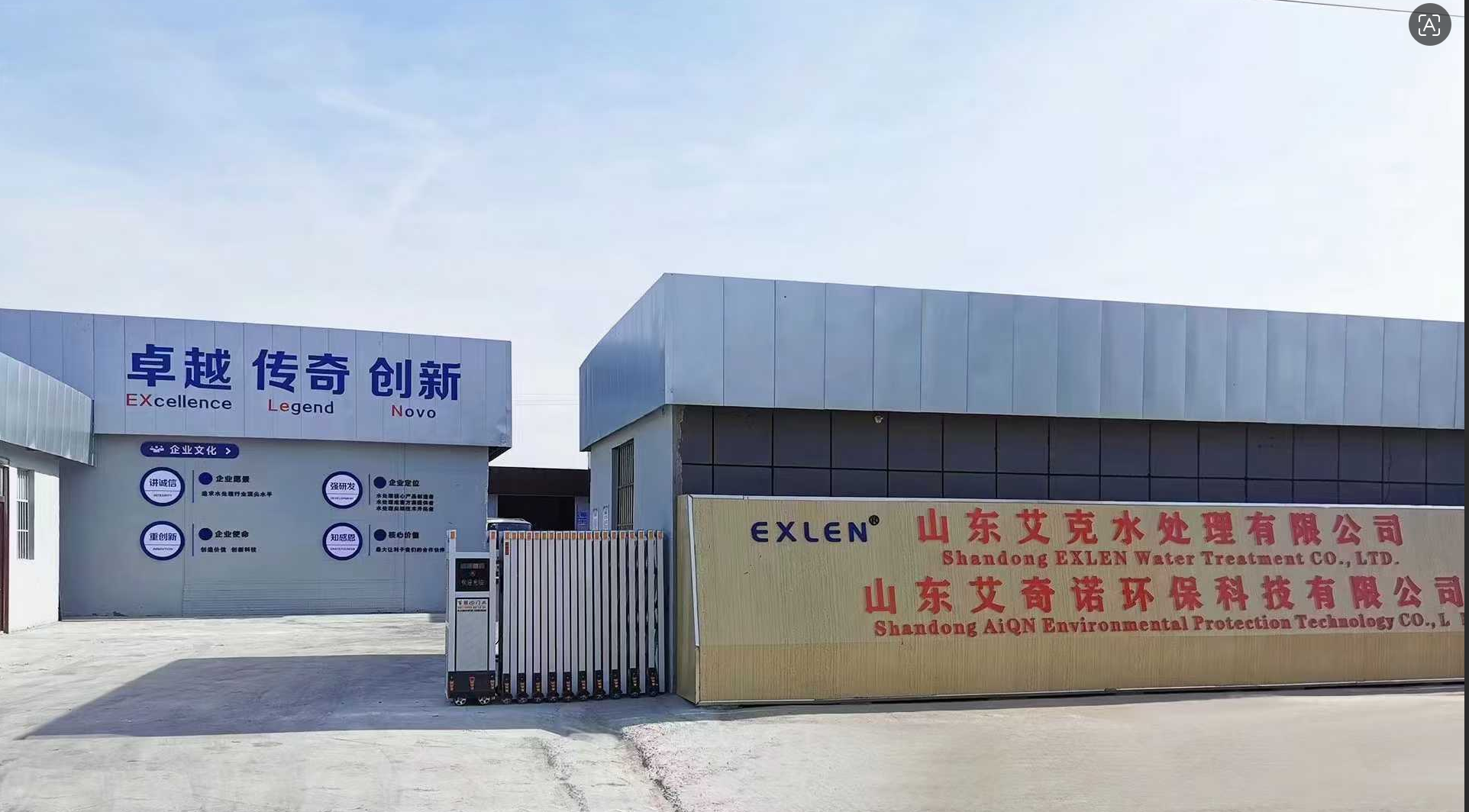
Reverse Osmosis Scale Inhibitor: Straight from the Original Manufacturer
2026-06-26
Scaling in reverse osmosis systems isn't just a nuisance—it’s a costly threat to membrane life and water quality. But what if you could source the solution directly from the experts who formulate it? At EVO, we craft advanced scale inhibitors from our own production line, cutting out the middleman to deliver unmatched purity and performance. This isn't just another chemical; it's a tailored defense born from decades of hands-on R&D. Let’s dive into why buying straight from the original manufacturer makes all the difference for your RO plant.
The Real Price of Ignoring Scale Prevention
When scale quietly builds up inside pipes and machinery, it doesn't just sit there—it actively sabotages efficiency. Heat exchangers coated with even a thin layer of mineral deposits have to work harder, burning more fuel or electricity to achieve the same output. Over time, those extra energy bills add up to far more than most facilities realize, quietly draining budgets month after month.
Beyond energy waste, scale attacks equipment longevity. Pumps strain against narrowed passageways, valves stick, and metal surfaces corrode under hardened deposits. The cost of premature replacement parts and emergency repairs often dwarfs what a simple prevention program would have required. In many cases, a single unplanned shutdown for descaling or part failure far exceeds the price of ongoing treatment.
There's also a human and operational toll. Maintenance teams get pulled from proactive work to fight fires—literally, if scale causes overheating. Production schedules slip. Safety risks climb when pressure vessels or cooling systems operate outside their design specs. The real price isn't just in line items on a repair invoice; it's in lost capacity, shortened asset life, and the constant risk of a major breakdown that could have been avoided with routine scale prevention.
What Sets a Manufacturer-Direct Inhibitor Apart?
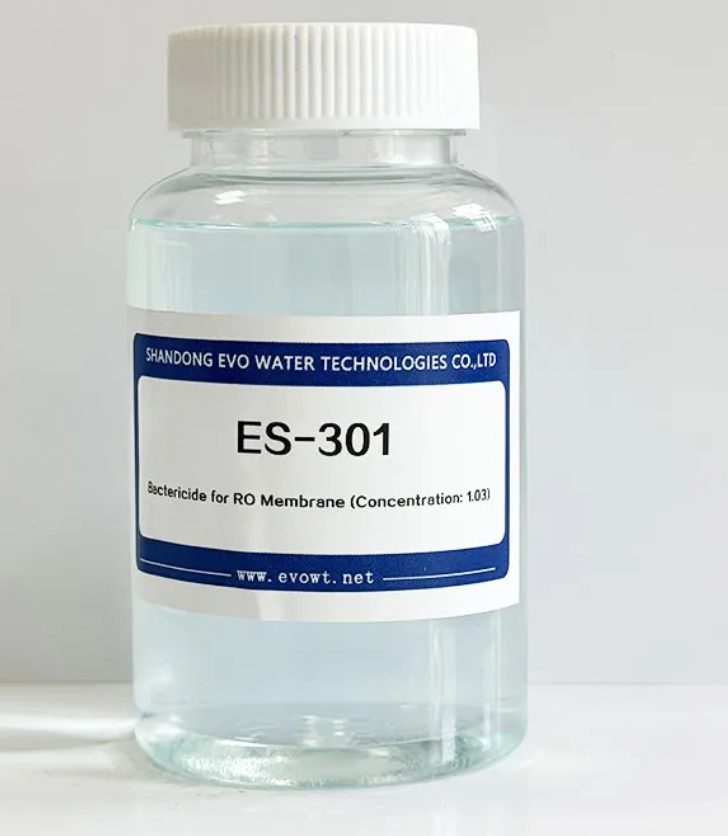
Going straight to the source changes the entire equation. You’re not getting a repackaged commodity that’s passed through multiple hands, each marking up the price and diluting accountability. Instead, you tap directly into the expertise that designed the molecule—teams who understand how subtle changes in synthesis affect biological activity, batch consistency, and safety profiles. That depth of knowledge just doesn’t trickle down through layers of distributors.
Another quiet advantage? Customization without the usual friction. Need a specific salt form, particle size, or solubility profile? A manufacturer-direct partner can tweak processes on the fly because they control the production line. There’s no waiting for third-party approvals or navigating a chain of authorized resellers. You collaborate with the people who actually stir the tanks and run the HPLC columns, so technical inquiry gets precise answers in hours, not weeks.
Then there’s the less glamorous but critical side: supply chain transparency. When you buy direct, documentation isn’t a comfortable fiction. You gain visibility into raw material sourcing, impurity tracing, and stability storage conditions that outlast the typical eighteen-month shelf-life promise. For anyone pushing toward IND filings or scaling up preclinical leads, that paper trail matters more than the compound itself.
Chemistry That Protects Without the Corrosion
Traditional protective coatings often rely on corrosive compounds or heavy metals that can gradually degrade both the material they shield and the surrounding environment. A smarter chemical approach sidesteps this trade-off by employing molecules that bond selectively to metal surfaces, forming an imperceptibly thin yet resilient barrier without triggering oxidation or pitting. These advanced formulations stabilize the surface at a molecular level, shutting out moisture and aggressive ions without sacrificing the material's own integrity.
The secret lies in chemistries that leverage passivation and self-assembling monolayers, where protective agents arrange themselves into densely packed, organized films. Instead of simply covering the substrate, they interact with it to create a coherent interface that repels water and resists chemical attack. This dynamic equilibrium means the layer can even heal microscopic breaches, maintaining protection without the corrosive side effects typical of older sacrificial or acidic treatments.
Success Stories: Where Our Inhibitor Delivered
A mid-sized chemical plant in the Midwest was facing unplanned shutdowns every few months due to corrosion in their heat exchangers. Traditional inhibitors barely slowed the damage, leading to frequent replacements and lost production time. After switching to our inhibitor, they operated continuously for over 14 months without a single incident caused by scaling or rust. The maintenance team noted that the system not only stayed cleaner but also reduced their chemical usage by almost a third.
In another case, a desalination facility along the coast struggled with biofilm buildup that choked their reverse osmosis membranes, forcing energy costs up and water output down. Our inhibitor was introduced as part of a retooled pretreatment routine. Within weeks, the membrane differential pressure stabilized, cleaning cycles were extended from biweekly to quarterly, and the plant achieved a sustained 12% improvement in throughput. Operators described the shift as the first time they felt truly ahead of the fouling curve.
Custom-Blended Solutions for Your Exact Water Profile
Every water source carries its own unique fingerprint—mineral content, pH, hardness, and trace elements that can dramatically affect the taste and performance of your beverages. Instead of settling for one-size-fits-all treatments, we take a precision approach. Our team analyzes your specific water profile down to the parts per million, then hand-selects and blends a bespoke mineral formulation tailored to that data. The result is water that brings out the best in your coffee, tea, or specialty drinks, cup after cup.
The process goes beyond simple filtration. We consider how each mineral interacts during brewing or extraction, and how subtle adjustments can enhance clarity, mouthfeel, and flavor balance. Rather than stripping your water down to nothing, our custom blends build character back in, aligned exactly with your desired outcome—whether that’s a crisp, sparkling finish or a round, mellow body. It’s a level of control that standard off-the-shelf solutions simply can’t offer.
With ongoing monitoring and seasonal adjustments, the blend evolves as your water does, ensuring consistency no matter the source fluctuations. This isn’t just water treatment—it’s a strategic ingredient that elevates every drink you serve, tailored to the character of your local supply and the profile of your final product.
Ask the Engineers: Straight Answers Before You Buy
Ever wish you could skip the sales pitch and just talk to someone who actually builds the product? That's exactly what happens here. Our engineers are available to answer your questions directly — no scripts, no sugar-coating. They'll tell you what our tools can really do, and just as importantly, where they might fall short for your specific project. It's the kind of honest conversation you normally only get after the purchase, but we think you deserve it before you commit a single dollar.
This isn't about convincing you to buy something that won't work for you. In fact, our engineers have been known to recommend a competitor's solution when it's the better fit. They'd rather see you make the right choice than push a sale. So bring your toughest technical questions — about performance, integration quirks, or whether a feature truly exists (not just on the roadmap) — and brace yourself for answers that are refreshingly straightforward.
FAQ
It’s a specialized chemical blend designed to prevent mineral deposits from forming on RO membrane surfaces. Without it, calcium carbonate, silica, and other scaling compounds build up quickly, clogging membranes, reducing water output, and shortening equipment lifespan.
You cut out middlemen, so pricing is more transparent and often lower. You also get direct access to the chemists who developed the formula - meaning faster technical support, custom dosing guidelines, and assurance the product hasn't been adulterated or repackaged.
Yes, it’s engineered for challenging waters. The polymer blend includes dispersants that specifically target silica and iron, preventing colloidal silica from polymerizing and sticking. We’ve seen excellent results even with 150 ppm silica levels.
Absolutely. The chemistry is phosphate-free and compatible with standard TFC/PA membranes from brands like Dow, Hydranautics, and Toray. It won’t degrade membrane polymers or void your warranty.
Dosing depends on your feed water analysis, but as a rule of thumb, 2-6 ppm is common for moderate scaling potential. We always provide a free water consultation to nail down the exact figure before you order.
No, it’s NSF-certified for drinking water applications. The inhibitor stays on the concentrate side and discharges with the brine. Permeate TDS and purity remain unchanged, so it’s safe for everything from pharmaceutical to food processing.
Slight overdosing won’t harm the membrane, but it’s wasted money and could increase RO train pressure drop slightly if the polymer accumulates. Stick to the recommended range, and you’ll avoid any issues. We include clear pump calibration guides.
Many generics use a one-size-fits-all polyacrylate. Ours is tailored with multiple active components - threshold inhibitors, crystal modifiers, and dispersants - all verified through dynamic testing on real feed waters, not just computer models.
Conclusion
When reverse osmosis systems run without a truly effective scale inhibitor, the hidden costs go far beyond chemical expenses—membrane replacement, unplanned downtime, and higher energy bills quietly drain budgets. Going straight to the original manufacturer strips away the middlemen, giving you direct access to chemists who designed the formula from the ground up, not just a relabeled commodity. This means you get a product that pairs advanced threshold inhibition with crystal modification, so calcium carbonate, sulfate scales, and even stubborn silica are held in check without the usual trade-off: corrosion. The chemistry is carefully balanced to protect metal surfaces while keeping membranes freely flowing, a nuance often lost when you buy from generic suppliers who treat water treatment as a box-ticking exercise.
What really makes the difference is how a manufacturer-direct approach handles the unexpected. Every feedwater is a fingerprint—mineral mix, pH, temperature—and off-the-shelf formulas rarely fit. Custom-blended inhibitors built from your exact water profile eliminate the guesswork, and the results show in facilities where recovery rates climbed and chemical spending fell. Real-world cases include a municipal plant that cut CIP frequency by half and an industrial user who stopped scaling during peak summer loads, both after switching. Before you decide, you can pose specific engineering questions and get straight answers—not marketing scripts. That level of transparency builds confidence that the inhibitor will perform not just in theory, but in your pipes, day after day.
Contact Us
Contact Person: Fiona Su
Email: [email protected]
Tel/WhatsApp: 8619963724144
Website: https://www.evo-chemical.com/