
Pyrolysis Equipment Exporter: Unlocking the Future of Circular Economy
2026-08-03
In a world drowning in waste, one technology is quietly rewriting the rules of resource recovery. Pyrolysis turns what we throw away into valuable fuel and raw materials—but its global impact depends on the right partners to scale it. As a leading pyrolysis equipment exporter, Tundrr doesn’t just ship machinery; it delivers the backbone for a cleaner, circular economy. From scrap tires to plastic waste, Tundrr’s solutions are helping industries turn a linear problem into a closed-loop opportunity. But what does it take to bring this vision to markets across continents?
Waste Not, Want Not: Pyrolysis as the Ultimate Recycling Hack
Most people toss a plastic bottle into the blue bin and feel they've done their part. But the truth is, mechanical recycling—shredding, melting, and re-molding—has hard limits. It downgrades material quality each cycle, and many plastics never make it through the process at all. Pyrolysis flips that script entirely. By heating waste in a near-oxygen-free chamber, it busts polymers back down into their molecular building blocks without combustion. The result? A liquid that's eerily similar to crude oil, ready to be refined into new plastics, fuels, or chemical feedstocks. No more wishcycling. Just a closed loop that actually closes.
What's often overlooked is the sheer versatility of the input. Pyrolysis doesn't care if your waste stream is a jumbled mess of polyethylene, polypropylene, and polystyrene—the stuff that mangles traditional recycling lines. Multilayer pouches, laminated films, contaminated containers, even end-of-life tires get fed in together. The process thermally cracks them all, sidestepping the costly and often futile step of sorting. That means the dodgy plastics littering beaches, clogging rivers, and piling up in developing nations suddenly become a resource rather than a liability. It's not a perfect solution to pollution, but it's a pragmatic one that acknowledges the complex, messy reality of our waste.
Critics will point to the energy input or emissions, and they're right that it's not a zero-impact magic wand. Modern systems, though, are refining the math. Advanced reactors recapture and reuse the gas fraction to power the process itself, dramatically cutting external energy demand. The solid char byproduct can lock carbon into soil amendments, and when paired with renewable electricity, the carbon footprint shrinks further. Compared to sending plastics to landfill or incineration—where the carbon is lost forever or turned directly into greenhouse gases—pyrolysis earns its place as a surprisingly elegant hack. It treats waste as the tangle of hydrocarbons it truly is, not as something to be hidden or burned away.
The Silent Shift: How Exporters Are Redrawing the Waste Map
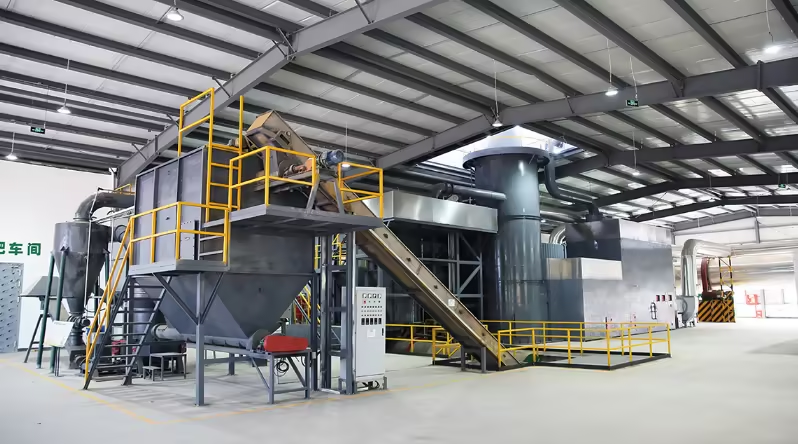
In the shadow of tightening environmental regulations, a quiet but sweeping transformation is taking place across global supply chains. Exporters, once passive intermediaries in the movement of discarded materials, are now actively reshaping the geography of waste. Faced with domestic restrictions on certain types of refuse and mounting pressure to demonstrate sustainability, many are forging new routes that bypass traditional landfill destinations. This isn’t simply about redirecting plastic or electronic scrap; it’s a strategic recalibration that prioritizes regions with advanced recycling infrastructure or a growing appetite for secondary raw materials. The map is being redrawn not by policymakers but by those who move the goods, driven by market access and cost efficiencies rather than altruism.
The drivers behind this shift are as varied as the materials involved. For some exporters, it’s a matter of survival: countries like China and Malaysia have slammed their doors on low-quality waste imports, forcing traders to find alternative markets in Southeast Asia, Eastern Europe, or even parts of Africa. Others are capitalizing on the booming demand for recycled feedstock in manufacturing hubs like Turkey and India, where textile scraps and metal offcuts are prized. This decentralized flow often happens below the radar, with small-scale operators using digital platforms to match waste streams with end-users in real time. The result is a more fragmented and fast-moving landscape, one that challenges the old linear model of waste disposal and creates both opportunities and regulatory blind spots.
Perhaps the most striking consequence is how this silent shift is redefining value. Waste is no longer an endpoint but a resource in transit, and exporters are becoming critical nodes in a newly emerging circular economy—even if their motives remain profit-driven. The networks they build today are laying the groundwork for tomorrow’s material recovery systems, often ahead of government-led initiatives. Yet this evolution is not without friction; communities on the receiving end are increasingly vocal about the environmental footprint of processing foreign waste, and inconsistent international standards threaten to undermine the progress. As exporters navigate these challenges, they are inadvertently sketching the contours of a future where waste knows no borders, and the line between refuse and resource blurs completely.
Breaking Down Pyrolysis: No Chemistry Degree Required
Think of pyrolysis as a high-heat magic trick for materials. You toss in stuff like wood chips, old tires, or even plastic waste, and crank up the temperature in a low-oxygen chamber. Instead of burning up into ash, the material breaks apart into three key things: a solid (often called biochar), a liquid (bio-oil), and a gas (syngas). No complex formulas, just a thermal makeover that turns waste into useful building blocks.
It’s a bit like baking a cake in reverse. You’re not combining ingredients to form something new—you’re pulling apart long molecule chains with heat alone. And because oxygen is kept out, nothing actually catches fire. That’s the secret sauce. You end up with reusable fragments rather than a pile of soot. The process is surprisingly old-school too, inspired by how charcoal has been made for centuries, only refined and controlled now for modern applications.
Why does this matter without a chemistry degree? Because you don’t need one to appreciate the outcome: less landfill junk, fossil fuel alternatives that can run engines or generators, and carbon-rich char that boosts soil health. Pyrolysis simply cheats nature’s slow decomposition timeline, doing in minutes what normally takes millennia underground. It’s practical alchemy, minus the mystery, turning what we throw away into resources we can actually use.
Circular Economy Success Stories That Started With a Shipping Container
It starts with a steel box—unremarkable, mass-produced, and often abandoned after its cargo-carrying days are done. But in the hands of innovative thinkers, these humble containers are transformed into cornerstones of local circular economies. Take the community farm project in East London that turned a row of containers into a vertical mushroom and salad-growing hub. By controlling light, humidity, and temperature, they now produce fresh greens year-round, using composted food waste from nearby restaurants and delivering harvests by cargo bike. It’s a tight loop where waste becomes input, transit miles shrink, and the container itself becomes both structure and symbol of reuse.
In another corner of the world, a group of architects in Cape Town gave retired shipping containers a second life as affordable micro-factories for neighborhood recycling and upcycling. Each unit houses a different workshop—one for electronics repair, another for melting down plastic bottles into filament for 3D printers, and a third for fashioning furniture from industrial offcuts. Entrepreneurs rent these spaces cheaply, their businesses are built from materials others threw away, and the containers themselves sit on a formerly derelict lot that’s now a hive of economic activity. The model spreads organically: as one workshop’s scrap becomes another’s raw material, the very layout encourages exchange and collaboration.
But perhaps the most poetic example is floating on the canals of Amsterdam. A social enterprise there collected discarded containers and converted them into tiny, self-sufficient floating homes for students and refugees. Each home is heated by solar panels and a thermal battery made from recycled laptop cells, and greywater is filtered through a built-in plant bed. Residents tend rooftop gardens that feed them and a weekly community kitchen. The container fleet keeps growing not because of master planning, but because people see a neighbor’s home and ask, “Could I build that with a container too?” It’s a success story where circular thinking isn’t just about materials—it’s about creating replicable blueprints for living lightly and sharing generously.
Why Your Business’s Next Profit Center Might Be Waste
For years, businesses treated waste as an unavoidable expense—something to manage, minimize, and haul away as cheaply as possible. But a growing number of companies are flipping that script, turning trash into a revenue stream. From capturing value in byproducts to redesigning packaging for reuse, waste is no longer just a cost center; it’s a raw material waiting to be mined.
Think of a brewery that sells spent grains to local bakeries or a tech manufacturer that extracts rare earth metals from scrap electronics. These aren’t just feel-good sustainability stories. They’re real profit plays that enhance brand reputation, lock in supply chains, and open doors to entirely new markets. The trick is in seeing waste not as an endpoint, but as the beginning of a different manufacturing cycle—one where nothing truly leaves the system.
Small changes can start the shift. Auditing your waste streams often reveals hidden assets: packaging that customers would pay to return, organic scrap that local farmers covet, or heat that can be recaptured. Each discovery chips away at disposal costs while building a portfolio of side incomes that, together, might just outpace your core business margins.
Cleaner Energy, Smarter Exports: The Twin Engines of Circular Growth
Transitioning to cleaner energy isn’t just about reducing emissions—it’s reshaping how industries source, use, and reuse resources. By integrating renewables like solar and wind into production cycles, manufacturers are closing loops that once leaked waste and cost. This shift turns energy from a linear input into a catalyst for regenerating materials, slashing reliance on virgin extraction while stabilizing long-term operational expenses.
Smarter exports take that domestically embedded efficiency global. Instead of shipping raw commodities or low-value goods, forward-thinking economies are exporting products designed for disassembly, remanufacturing, and high-grade recycling at their destination. Digital product passports and traceability systems allow importing countries to fully recover materials, creating cross-border material loops that elevate both sides’ circular capacity. This exchange of know-how and durable goods, rather than disposable volumes, locks in value that would otherwise dissipate after a single use.
FAQ
Pyrolysis technology is a game-changer for circular economies because it gives new life to materials that would otherwise be dumped or burned. By heating waste like plastics or tyres in an oxygen-free environment, the process breaks them down into useful outputs—fuel, carbon black, or chemical feedstocks. This means resources keep circulating instead of ending up in landfills or oceans.
Going global with your equipment purchase often opens doors to more advanced technology, better reliability, and real-world expertise. Established exporters have typically fine-tuned their designs across dozens of installations worldwide. You also get the benefit of competitive pricing and dedicated export support teams that handle everything from logistics to commissioning.
You'd be surprised by the variety. High-quality units can process scrap tyres, mixed plastics, rubber waste, oil sludge, and even some types of biomass. The trick is choosing a system that's engineered for your specific feedstock, so output quality and yields stay consistent without excessive pre-treatment.
It's absolutely usable, often directly as industrial heating fuel. The pyrolysis oil typically has a high calorific value and can substitute furnace oil or diesel in burners and generators. For higher-grade applications, minimal treatment or blending can upgrade it, but many operations use it as-is right after collection.
Look beyond the glossy brochures. A solid partner will have a track record with real projects, offer 3D plant layouts, provide material certifications, and not shy away from showing you their production facility. Transparent communication about energy consumption, emission figures, and local service support is a must—not just a promise of a 'one-size-fits-all' machine.
When proven pyrolysis equipment reaches regions where waste management infrastructure lags, it directly cuts open dumping and uncontrolled burning. That means fewer toxins in the soil and air, reduced greenhouse gases like methane, and a shift away from virgin fossil materials. Exporters act as enablers, spreading tools that turn local waste into local value.
The best ones are, yes. Continuous models with sealed feeding, indirect heating, and multi-stage scrubbing systems can meet strict emission norms. You should always ask for third-party test reports and reference plants in similar regulatory environments. When designed right, these plants operate with no visible smoke and minimal odor—a far cry from older batch units.
Conclusion
For decades, waste has been a mounting problem, but pyrolysis equipment exporters are flipping the script by turning trash into treasure. This process, which uses heat in an oxygen-starved environment to break down materials like plastics and tires, doesn’t require a chemistry degree to grasp—it’s simply a high-tech upgrade of nature’s own decomposition. Exporters are quietly redrawing the global waste map, shipping compact, containerized units to regions that lack sprawling recycling infrastructure. These mobile plants can be set up in days, transforming local waste streams into fuels, carbon black, and other commodities. It’s the ultimate recycling hack: waste that once clogged landfills and oceans now feeds back into the supply chain, embodying the “waste not, want not” ethos with industrial precision.
The real magic happens when these shipping-container-sized units become catalysts for circular economy success stories. From Southeast Asian villages turning rice husks into biochar to African enterprises converting plastic litter into diesel, the model proves that waste can be a profit center—not an expense. Business owners are waking up to the fact that their next revenue stream might literally be piling up out back. Cleaner energy emerges as a byproduct, displacing fossil fuels and cutting emissions, while the export of know-how and equipment creates a twin engine for circular growth. Pyrolysis exporters aren’t just selling machines; they’re exporting a future where economic and environmental interests align, one container at a time.
Contact Us
Contact Person: Ellen Zhang
Email: [email protected]
Tel/WhatsApp: +86(21) 2287 6756
Website: https://www.tundrr.com/en/
