
Cement Grinding Aid Manufacturer Boosts Cement Strength and Grinding Efficiency
2026-09-16
Every cement producer knows the struggle: you want stronger cement, but grinding it finer demands more energy and time. What if one additive could solve both problems at once? HAISEN, a specialized cement grinding aid manufacturer, claims to do exactly that—boosting cement strength while improving grinding efficiency. Here’s a closer look at how their technology delivers measurable gains without the usual trade-offs.
Why Cement Strength Starts Long Before the Mixer
The quiet work of cement begins in the kiln, not the drum. Long before water meets powder on a jobsite, the clinker's crystalline character has already written the opening lines of its strength story. Alite and belite form under a ferocious heat, and the way they cool—slowly or with a rush of air—sets the pace at which they will later react with water. No mixer can undo a hurried quench or a poorly proportioned raw feed.
Grinding sharpens that hidden potential. A finer particle doesn't simply pack tighter; it exposes more surface for the first hours of hydration, yet too much of a good thing can steal long-term durability. The gypsum added at the mill is not an afterthought either—it delays the flash set just long enough for real structure to build. Every choice before the bag is sealed quietly votes for early stiffness or late resilience.
So when a truck spins on the way to the pour, it is only finishing a conversation that started underground. The limestone's purity, the fuel's flame shape, the clinker's age in storage—these matter more than the mixing time printed on the delivery ticket. Strength doesn't begin when the water hits the mix; it begins when the earth gives up its lime and the fire decides what it will become.
The Grinding Aid Effect on Mill Throughput and Power Draw
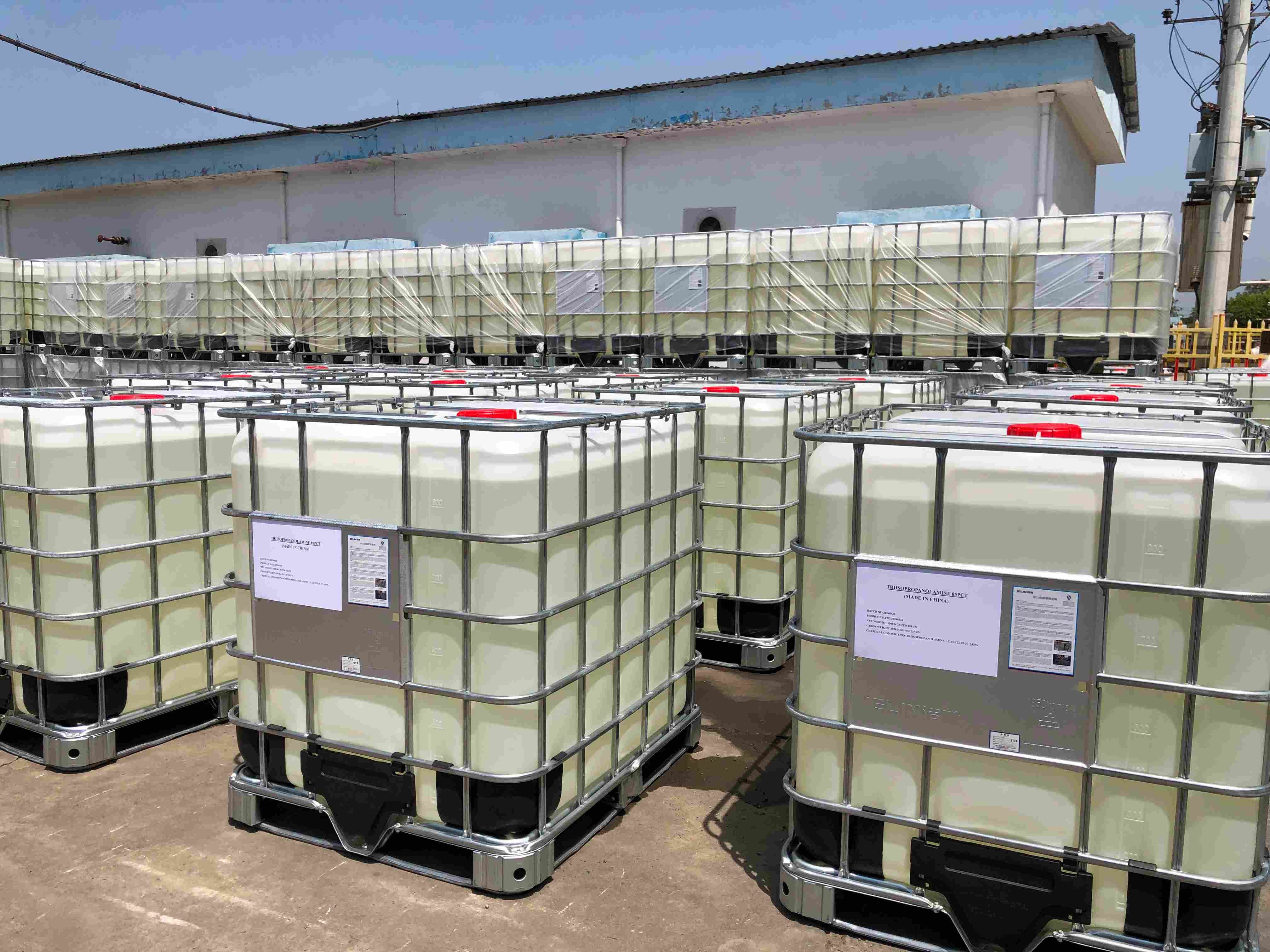
In dry milling circuits, fine particles tend to agglomerate due to surface charges and van der Waals forces, coating the grinding media and mill liners. This cushioning layer absorbs impact energy that should go into particle breakage, slowing down size reduction and limiting the amount of fresh feed the mill can accept. Small additions of grinding aids—typically organic compounds such as glycols or amine acetates—adsorb onto particle surfaces and neutralize these charges. The result is less agglomeration, freer movement of the charge, and a measurable increase in mill throughput. Depending on the ore or clinker properties, throughput gains of 5 to 15 percent are not uncommon, especially in closed-circuit cement or ultrafine grinding applications.
Power draw responds in a less predictable way. Some operators see a slight rise in motor load because the improved fluidity of the mill charge reduces the buffering effect that agglomerates previously provided. More often, however, the specific energy consumption—kWh per ton of product—falls, since the higher production rate spreads the power demand over more material. In long grinding chambers, reduced internal friction can also lower the no-load torque, keeping gross power demand nearly flat while output climbs. The key is to monitor both gross power and feed rate together, rather than expecting the ammeter alone to tell the full story.
Field results vary with dosage, feed moisture, and the type of separator used. Overdosing can cause excessive fluidization in the mill, leading to higher internal velocities, dust carryover, and sometimes a drop in grinding efficiency. A well-tuned addition rate typically sits between 0.02 and 0.1 percent by weight of feed. Regular sampling of the mill product and circulating load helps confirm that the increased throughput does not come at the expense of particle size distribution or downstream classification performance.
Lowering Clinker Factor Without Losing Early Strength
Cement producers have long assumed that cutting clinker content automatically sacrifices early-age strength, since most supplementary cementitious materials react more slowly than Portland clinker. That assumption is now being overturned by a combination of finer grinding, optimized particle packing, and chemical activation. The goal is to maintain the 1-day and 3-day strengths that contractors rely on while pushing clinker replacement levels higher than conventional limits.
One of the most direct routes is to mill the clinker and SCMs to different finenesses rather than intergrinding them to a single Blaine value. By grinding slag or fly ash to a very high specific surface area, their early reactivity improves significantly, compensating for the reduced clinker content. At the same time, adjusting the sulfate carrier dosage and using alkali-free accelerators can restore the early hydration rate without creating flash set or slump loss.
Another effective approach involves seeding the mix with fine limestone or synthesized calcium silicate hydrate nanoparticles. These seeds provide nucleation sites for hydration products, accelerating the early strength development even when clinker content is 20–30% lower. Combined with a well-graded aggregate and a slightly lower water-to-binder ratio, the resulting concrete can meet early strength specs while cutting the carbon footprint substantially.
A Few Grams Per Ton Can Change the Strength Curve
In alloy design, the difference between an ordinary grade and a high-performance one often comes down to a few grams per ton of a carefully chosen element. These trace additions sit at grain boundaries, alter precipitation kinetics, or tweak stacking fault energy. The result is not a uniform boost everywhere, but a reshaped strength curve: yield strength may jump while ultimate tensile strength stays nearly flat, or ductility improves without sacrificing hardness.
Consider niobium in low-carbon steel. At 0.02–0.05 weight percent, it suppresses grain growth during hot rolling and provides fine precipitates that pin dislocations. The stress-strain curve shifts upward in the elastic-to-plastic transition, yet the work-hardening rate barely changes. Engineers see a higher proportional limit and better fatigue resistance, even though chemical analysis shows only a whisper of niobium.
The same logic applies to aluminum with scandium, copper with trace zirconium, or nickel superalloys with boron. What matters is not the amount but where the atoms go. A few grams per ton can change the entire shape of the strength curve, turning a brittle failure into a graceful, predictable deformation.
What Plant Operators Notice After Switching Grinding Aids
The first thing most operators pick up on isn't a number on a screen—it's the way the mill sounds. A grinding aid that's actually doing its job changes the acoustic profile inside the shell, often within the first hour. You'll hear a slightly sharper, more metallic clatter from the grinding media instead of the dull thud that comes with cushioning or over-packed material. At the same time, the mill motor amps will drift down by a few points without any change in feed rate, or the amps hold steady while the feed rate creeps up on its own. Those two signals together—sound and load—are usually the earliest and most reliable clues that the new chemistry is taking effect.
Once the circuit settles, operators start noticing differences at the discharge end. The material coming out of the mill feels less sticky and flows more freely through the air slides and bucket elevator. You might catch a reduction in buildup under the separator rotor or fewer chunks bouncing around in the tailings. When you grab a handful of finished product from the sampling point, it tends to feel finer and more uniform between your fingers, even before the lab confirms a jump in Blaine or a shift in the particle size curve. Some crews also report that the mill outlet temperature drops by a few degrees once the grinding aid reduces internal friction, which is a nice secondary confirmation that the load is moving through the mill more efficiently.
After a full shift or two, the bigger operational shifts become obvious. The separator speed or airflow often needs a small adjustment because the circulating load has changed character—fines are leaving the circuit faster, so the return stream gets a little coarser and drier. You might find yourself backing off the mill fan speed or lowering the separator rotor RPM to keep the cut point where you want it. Packing problems in the baghouse or product silo tend to ease up as well, since a good grinding aid reduces agglomeration and static charge. None of these changes are dramatic on their own, but together they paint a clear picture: the mill is working less to move the same amount of material, and the operator's job shifts from fighting the circuit to fine-tuning it.
Matching the Aid to the Clinker for Consistent Results
Getting the aid right for a particular clinker is less about following a fixed recipe and more about reading how the material behaves under pressure. Some clinkers are brittle and break down quickly with a modest dose, while others hold their shape and demand a more aggressive approach. Start with a small batch, watch how the particles respond during grinding, and adjust from there. It is the only way to avoid over-treating one load and under-treating the next.
Temperature and moisture in the mill shift from day to day, so a dosage that worked last week might not hold up today. Pay attention to how the clinker flows through the system and how the finished cement performs in early strength tests. A slight change in aid concentration can tighten the gap between inconsistent runs, but only if you track those variables instead of guessing.
Consistency comes from treating each clinker delivery as its own problem, not from chasing a universal number. Keep notes on every adjustment, even the ones that fail, because those records teach you more than the successes. Over time, you will develop a feel for which aids pair well with which clinker sources, and the results will speak for themselves in the lab and on the jobsite.
FAQ
It disperses the fine particles that cling together during grinding, so the mill doesn’t waste energy re-crushing already ground material. It also helps maintain a better particle size distribution, which directly supports higher early and late strength.
Many plants see throughput gains of 10–20% at the same fineness, or they can reduce specific energy consumption by a similar margin. The exact figure depends on clinker hardness, mill type, and target Blaine, but double-digit improvements are common when the dose is tuned correctly.
Yes, but mainly as a side effect of better grinding. Because the aid prevents over-grinding and agglomeration, the cement hydrates more uniformly. You often get a noticeable boost in 1-day and 3-day strengths, while 28-day strength stays stable or improves slightly.
Absolutely. A product formulated for high-limestone blended cements may not work as well in slag-rich mixes. Reputable manufacturers usually offer tailored formulations—some focus on early strength, others on reducing pack-set or improving flowability in storage silos.
Track specific energy consumption per ton, mill output, and cement fineness before and after dosing. Also check residue on 45µm sieve and particle size distribution. If the aid is effective, you should see lower energy per ton at equal fineness or higher fineness at equal energy, with no negative impact on setting time.
Beyond price per liter, look for a supplier that offers mill audits, dose optimization support, and consistent batch-to-batch quality. Ask for reference plants with similar mill setups. A manufacturer that understands your local raw materials and can adjust the formula seasonally is far more valuable than one selling a one-size-fits-all product.
Yes, that’s often the main driver. By improving grindability, they let the mill produce the same Blaine with lower power draw or produce more tons in the same time. The energy savings usually outweigh the cost of the aid, provided the dosage is optimized and not overdosed.
With a properly formulated and dosed grinding aid, risks are minimal. Some older formulations based on TEA could retard setting slightly at high doses, but modern products are designed to avoid this. Always run compatibility tests with your admixtures and cement types before full-scale use.
Conclusion
Real cement strength isn't born in the mixer—it starts in the mill. A cement grinding aid manufacturer focused on particle size distribution and mill dynamics can boost both early and late strength without touching clinker chemistry. Operators see the difference first in throughput and power draw: the right aid reduces coating on grinding media, prevents agglomeration, and lets the mill run cooler and faster, cutting kWh per ton while increasing output. That efficiency opens the door to lower clinker factor, because the aid helps maintain strength even when limestone or slag replaces a portion of clinker.
The real proof is in the strength curve. Just a few grams per ton can shift early strength up for faster formwork stripping or improve 28-day performance, depending on the aid's formulation. Plant operators notice smoother mill operation, fewer blockages, and more consistent Blaine and residue values after switching. But the key is matching the aid to the specific clinker—its grindability, sulfate balance, and C3A content. A generic product often underperforms; a tailored grinding aid from an experienced manufacturer turns a small addition into a reliable lever for cost, quality, and carbon reduction.
Contact Us
Contact Person: Sam Lee
Email: [email protected]
Tel/WhatsApp: 86-311-6617 8338
Website: https://www.horizonadmixtures.com/