Castor Oil Ethoxylate: The Ultimate Guide to High-Quality Manufacturing Solutions
2026-03-13
In the world of industrial surfactants, few ingredients have garnered as much attention as castor oil ethoxylate. This versatile compound plays a critical role in countless applications, from personal care products to high-performance lubricants. But what does it truly take to manufacture castor oil ethoxylate of exceptional quality? In this comprehensive guide, we’ll explore the nuances of production, the challenges manufacturers face, and the innovative solutions that set industry leaders apart. At POLYKEM, we’ve dedicated years to refining these processes, ensuring every batch meets the highest standards of purity and performance. Whether you’re a seasoned chemist or a curious newcomer, this blog will unveil the secrets behind superior manufacturing and why choosing the right partner can make all the difference. Dive in to discover how excellence is achieved—and how it can transform your products.
The Science Behind Castor Oil Ethoxylation: A Deep Dive into Chemical Processes
Castor oil ethoxylation transforms the natural fatty acids of castor oil into versatile compounds through a reaction with ethylene oxide. This process hinges on the presence of hydroxyl groups in ricinoleic acid, the primary component of castor oil. When ethylene oxide is introduced under controlled conditions, it adds to these hydroxyl sites, creating polyoxyethylene chains that enhance solubility and modify properties like viscosity and surface activity. The reaction typically employs alkaline catalysts, such as potassium hydroxide, to initiate and propagate the chain growth, allowing for precise tailoring of the end product based on the degree of ethoxylation.
Delving deeper, the ethoxylation mechanism involves a nucleophilic attack by the alkoxide ions formed from the hydroxyl groups, leading to the opening of ethylene oxide rings and subsequent polymerization. Factors such as temperature, pressure, and catalyst concentration critically influence the reaction kinetics and product distribution. For instance, higher temperatures can accelerate the process but may risk side reactions or degradation, while careful pressure management ensures efficient ethylene oxide incorporation. This fine-tuning enables the production of ethoxylated castor oils with varied molecular weights, each suited to specific industrial applications like emulsifiers in cosmetics or lubricants in manufacturing.
Beyond the basics, ethoxylation of castor oil showcases unique advantages due to its inherent ricinoleic acid structure, which imparts biodegradability and low toxicity compared to synthetic alternatives. Recent advancements focus on optimizing reaction conditions to minimize by-products and improve sustainability, such as using green catalysts or solvent-free methods. Understanding these chemical intricacies not only highlights the versatility of castor oil derivatives but also underscores their growing role in eco-friendly formulations across sectors from pharmaceuticals to agriculture.
Key Steps for Producing Superior-Quality Castor Oil Ethoxylate: A Step-by-Step Manufacturing Overview
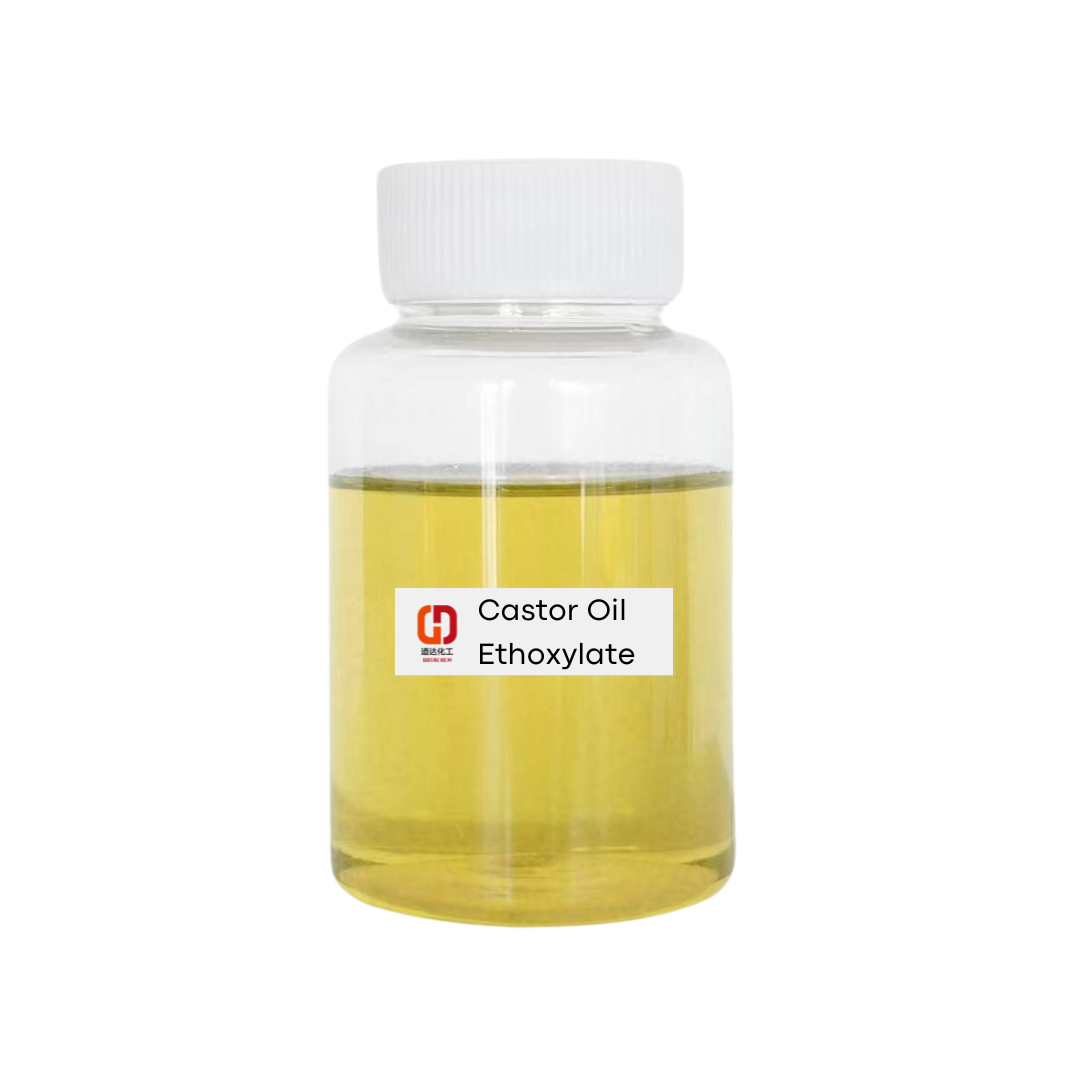
When it comes to crafting top-tier castor oil ethoxylate, the journey starts with meticulous raw material selection. Not all castor oil is created equal—it's crucial to source refined, high-purity castor oil with consistent fatty acid profiles. The oil's hydroxyl value and acid number must be tightly controlled, as these directly influence ethoxylation efficiency and final product stability. Think of it like baking a gourmet cake: starting with premium ingredients sets the stage for excellence, reducing unwanted by-products and ensuring a smoother reaction down the line.
The heart of the process lies in the ethoxylation reaction, where ethylene oxide is carefully introduced under controlled conditions. This isn't a simple mix-and-stir affair; it demands precise temperature and pressure management, often using specialized catalysts like potassium hydroxide or sodium methoxide. The reaction vessel must be rigorously purged to eliminate moisture and oxygen, which can trigger side reactions and degrade quality. Patience is key here—gradual, incremental addition of ethylene oxide allows for better control over the degree of ethoxylation, tailoring the product's properties, such as solubility or emulsifying power, to specific applications without compromising purity.
After ethoxylation, the real artistry emerges in post-processing and quality assurance. The crude product undergoes neutralization to strip out residual catalysts, followed by filtration to remove any solid impurities. Some manufacturers opt for vacuum distillation or stripping to eliminate unreacted ethylene oxide and volatile compounds, enhancing safety and odor profile. But the final step—comprehensive testing—is what separates superior batches from mediocre ones. Rigorous checks on parameters like pH, viscosity, cloud point, and color ensure every batch meets stringent standards, delivering consistent performance whether it's for cosmetics, textiles, or industrial formulations. It's this blend of science and scrutiny that transforms basic ingredients into a reliable, high-quality end product.
Optimizing Raw Materials: Selecting the Best Castor Oil for Enhanced Ethoxylate Performance
When diving into castor oil selection, it's crucial to look beyond just purity percentages. Consider factors like the fatty acid profile, specifically the ricinoleic acid content, which typically ranges from 85-90% in high-quality oils. This component is the backbone for ethoxylation reactions, influencing surfactant properties like emulsification and solubility. Variations in sourcing, such as organic versus conventional cultivation, can subtly alter this profile, impacting performance in formulations.
Processing methods play a significant role too—cold-pressed oils retain more natural antioxidants, potentially enhancing stability during ethoxylation, while refined versions might offer consistency but at the cost of some bioactive compounds. Don't overlook the iodine value and hydroxyl number; these metrics hint at reactivity and can guide adjustments in ethoxylation conditions for tailored outcomes, such as improved foam control or better compatibility in cosmetic blends.
In practice, testing small batches with different castor oil grades can reveal performance nuances. For instance, oils with lower moisture content often reduce side reactions, leading to more uniform ethoxylate chains. Collaborating with suppliers to specify these parameters ensures you're not just buying a commodity but optimizing for enhanced performance, whether in industrial cleaners or personal care products where consistency matters most.
Innovative Manufacturing Techniques: How Advanced Equipment Elevates Castor Oil Ethoxylate Production
Advanced manufacturing techniques have revolutionized castor oil ethoxylate production by introducing high-precision reactors that operate under tightly controlled conditions. These sophisticated systems enable precise temperature modulation and pressure regulation, optimizing the ethoxylation process to minimize side reactions and enhance yield. By using automated monitoring and feedback loops, manufacturers achieve consistent product quality while reducing energy consumption and waste, making the process both efficient and environmentally responsible.
Innovations in equipment, such as continuous flow reactors and advanced catalyst systems, have dramatically shortened reaction times and improved scalability for large-scale production. This shift from batch to continuous processing allows for real-time adjustments and better handling of the complex chemical interactions involved in ethoxylation. As a result, producers can meet growing market demands with higher-purity derivatives, offering enhanced performance in applications from biodegradable surfactants to specialty chemicals.
The integration of smart sensors and data analytics in modern production lines enables predictive maintenance and fine-tuning of process parameters, reducing downtime and operational costs. This technological advancement not only boosts efficiency but also ensures safety and compliance with stringent industry standards. By leveraging such equipment, the castor oil ethoxylate sector is poised to expand into new markets with sustainable and high-quality products.
Quality Assurance in Castor Oil Ethoxylate Manufacturing: Ensuring Consistency and Purity in Every Batch
In castor oil ethoxylate production, quality assurance is critical for maintaining batch-to-batch consistency and high purity, which is essential for applications in cosmetics, pharmaceuticals, and industrial products. This involves a meticulous approach to raw material sourcing, where only premium-grade castor oil with low acid values and minimal impurities is selected. Supplier audits and regular testing of incoming batches ensure that the base oil meets strict specifications before processing begins, directly influencing the final product's performance and safety. By implementing these upfront controls, manufacturers can prevent variability that might arise from subpar starting materials, setting a solid foundation for reliable ethoxylation reactions.
During the ethoxylation process, advanced monitoring systems and standardized protocols are employed to maintain precise control over reaction parameters such as temperature, pressure, and catalyst levels. Regular in-process sampling and analysis, including techniques like gas chromatography or HPLC, allow for real-time adjustments to ensure that each batch adheres to target ethoxylation degrees and purity standards. This proactive monitoring not only enhances consistency but also minimizes the risk of by-products or contaminants that could compromise product quality. Such rigorous oversight transforms what might seem like a routine chemical process into a finely-tuned operation where every detail matters.
Post-production, comprehensive testing and documentation further reinforce quality assurance by verifying that each batch meets all specifications before release. This includes final assessments for key parameters like hydroxyl value, pH, and residual ethylene oxide content, coupled with stability studies to predict shelf life and performance under various conditions. By integrating these steps into a seamless quality management system, manufacturers can confidently deliver castor oil ethoxylates that are not only consistent and pure but also tailored to meet the evolving demands of diverse industries, fostering trust and reliability in every shipment.
Versatile Applications of High-Quality Castor Oil Ethoxylate: From Personal Care to Industrial Uses
Castor oil ethoxylate stands out as a remarkably adaptable ingredient, bridging the gap between gentle personal care and robust industrial functions. Its unique molecular structure, derived from castor oil and modified through ethoxylation, imparts both emulsifying and solubilizing properties that make it a go-to choice in formulations. In skincare, this ingredient often serves as a non-irritating emulsifier, helping to blend oils and water seamlessly in creams and lotions, while its conditioning effects leave skin feeling soft without a greasy residue. Beyond beauty, it's prized for its ability to enhance product stability and texture, making it a favorite among formulators seeking reliable performance.
Moving into broader applications, castor oil ethoxylate finds a significant role in household and cleaning products, where its surfactant qualities shine. It effectively reduces surface tension, allowing detergents and soaps to penetrate dirt and grime more efficiently, leading to superior cleaning outcomes. This versatility extends to industrial sectors, such as in the production of lubricants and coatings, where it acts as a dispersant or wetting agent to improve consistency and application. Its biodegradability and renewable origin from castor plants add an eco-friendly edge, appealing to industries aiming for greener alternatives without compromising on efficacy.
The industrial uses of castor oil ethoxylate further highlight its robustness in demanding environments. In agriculture, it's employed as an adjuvant in pesticides to enhance spray coverage and adherence on plant surfaces, boosting crop protection. In textiles, it aids in dyeing processes by improving color uniformity and reducing waste. This wide-ranging utility, from gentle personal care to heavy-duty industrial tasks, underscores its value as a multifunctional compound that adapts to diverse needs, driven by its balanced hydrophilic-lipophilic properties and sustainable profile.
FAQ
Castor oil ethoxylate is widely used in industries such as cosmetics, pharmaceuticals, and agriculture as a nonionic surfactant, enhancing emulsification, wetting, and dispersion properties in formulations.
Ethoxylation modifies castor oil by adding ethylene oxide units, which increases water solubility, reduces viscosity, and improves mildness, making it suitable for sensitive applications like skincare products.
Manufacturers should focus on using renewable castor oil sources, optimizing energy-efficient processes, reducing waste, and minimizing chemical emissions to align with environmental standards.
In agriculture, castor oil ethoxylate acts as an effective wetting agent and spreader, improving the adhesion and absorption of pesticides and herbicides on plant surfaces for better crop protection.
Challenges include variability in raw material composition and precise control of ethoxylation reactions, which can be mitigated through rigorous testing, standardized procedures, and advanced process monitoring technologies.
Castor oil ethoxylate offers a unique balance of performance and biodegradability, often proving more cost-effective in high-value applications like pharmaceuticals, although it may have higher costs than some petroleum-based alternatives.
Recent innovations include catalytic advancements for cleaner reactions, automation for precise temperature and pressure control, and the development of greener solvents to enhance product purity and yield.
Conclusion
Castor Oil Ethoxylate (COE) represents a sophisticated chemical derivative achieved through the ethoxylation of castor oil, a process that involves reacting the oil with ethylene oxide under controlled conditions. This transformation enhances its surfactant properties, making it highly valuable across various industries. The science behind this process delves into the chemical mechanisms that ensure optimal ethoxylation, where precise control of temperature, pressure, and catalyst use is crucial for consistent outcomes. Key manufacturing steps include careful selection of raw materials, with high-quality castor oil being essential for superior performance, as impurities can affect ethoxylation efficiency and final product characteristics. Innovations in production techniques, such as advanced reactors and automation, further streamline manufacturing, improving yield and purity while reducing waste.
Quality assurance is paramount in COE production, with rigorous testing protocols implemented to ensure batch-to-batch consistency, meeting stringent standards for applications ranging from personal care to industrial uses. This versatility stems from its excellent emulsifying, solubilizing, and viscosity-modifying properties, making it ideal for cosmetics, pharmaceuticals, agrochemicals, and lubricants. By optimizing all aspects—from raw material sourcing to final quality checks—manufacturers can deliver high-performance COE that stands out in competitive markets, offering reliable and sustainable solutions. This holistic approach not only enhances product efficacy but also supports industry demands for eco-friendly and efficient manufacturing practices, solidifying COE's role as a key ingredient in modern formulations.
Contact Us
Contact Person: Levi
Email: [email protected]
Tel/WhatsApp: +86 532 84688720
Website: https://www.polykem-intl.com